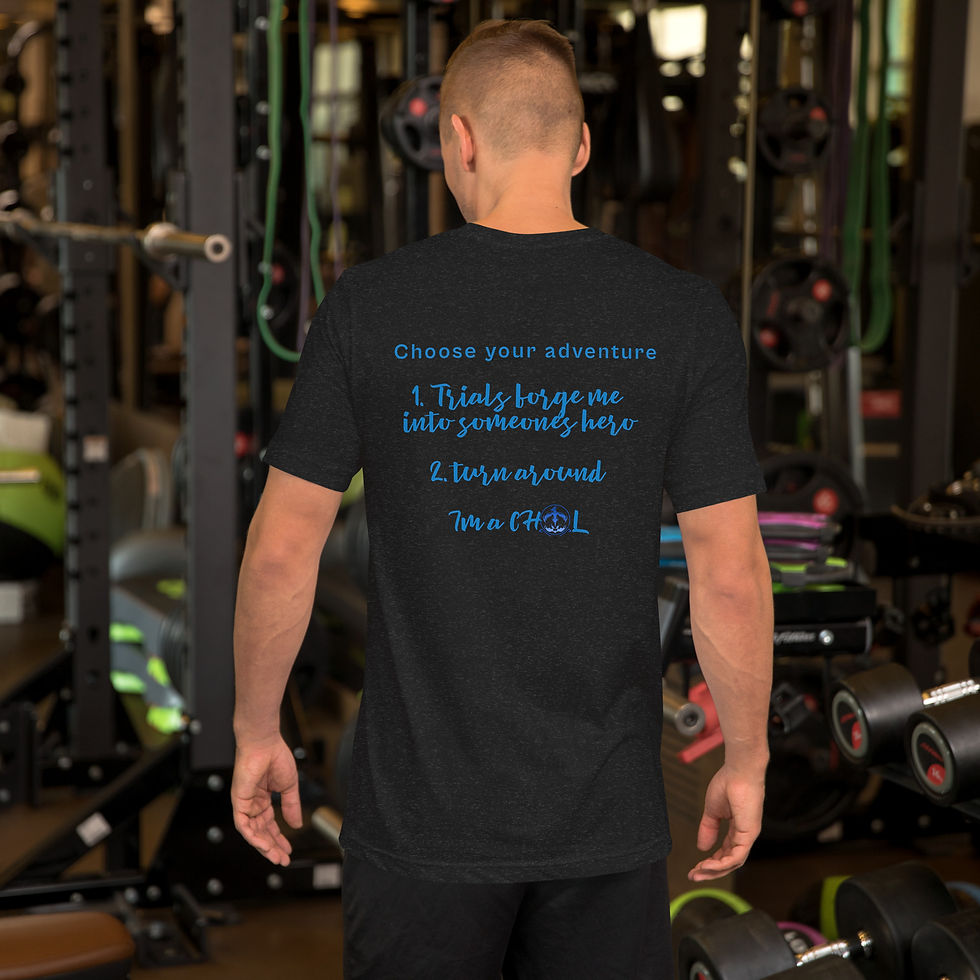
H. E. C. C. Yeah!
It's not just an acronym, it's a lifestyle.
Humility
Humility is the quality of having a modest view of one's own importance, demonstrating a lack of arrogance or boastfulness. It involves recognizing one's limitations and valuing others' contributions. For example, a mafia boss who, despite his power, shows humility by respecting his rivals and acknowledging his vulnerabilities exemplifies this trait. Similarly, a mermaid who remains humble despite her beauty and abilities does not seek to dominate others.
Pirates and dragon riders who, after successful adventures, give credit to their crew or companions display humility. Soldiers and captains who lead bravely but listen to their team also reflect humility in leadership. Even a president or king who rules with humility considers the welfare of their people over personal gain. Interestingly, a prince dressed as a pauper to experience life among common people demonstrates humility by shedding his status and understanding others' struggles.
A renowned movie director who credits their team for the film’s success instead of taking all the credit themselves also exemplifies humility. Famous artists and actors, despite their fame, often show humility by staying grounded and appreciating their fans and collaborators. Overall, humility is a universal virtue that can be seen across various roles and stories, emphasizing the importance of modesty and respect regardless of one’s status or achievements.


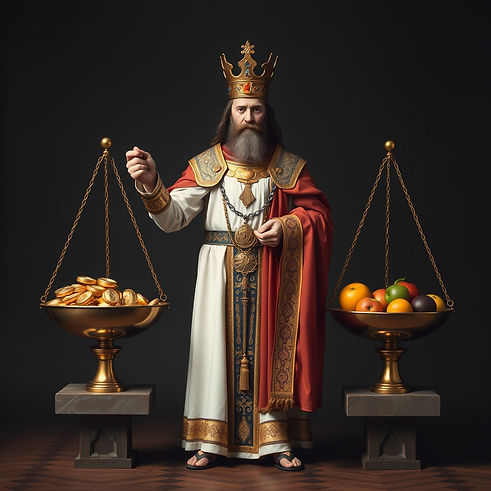
Evaluation
Self-evaluation is the process of honest inner reflection about one’s own habits, behaviors, and choices, with a focus on identifying areas that need change. It involves looking inward to recognize patterns that may hinder personal growth and understanding how to make positive adjustments. For example, a mafia boss might reflect on their tendency to be overly suspicious or aggressive, realizing that these habits damage trust and could be improved. Similarly, a mermaid might think about how her impatience or impulsiveness affects her relationships, prompting her to work on becoming more patient and understanding.
Pirates and dragon riders often reflect on their reckless or impulsive behaviors during adventures, recognizing the need to develop patience, discipline, or better teamwork. Soldiers and captains might analyze their decision-making under pressure, identifying bad habits like rushing into action without enough planning, and commit to becoming more thoughtful and strategic. Even a king or president might examine their tendency to prioritize power over listening to others, understanding that humility and openness are vital for effective leadership. For instance, a prince dressed as a pauper might reflect on how arrogance or entitlement have clouded his judgment and decide to cultivate humility and empathy.
A renowned movie director might critically evaluate their creative process, recognizing habits of procrastination or perfectionism that hold them back, and work to develop more disciplined work habits. Famous artists and actors often reflect on their tendencies to compare themselves negatively to others or seek validation, aiming to build confidence and resilience. Overall, self-evaluation through honest inner reflection is crucial for recognizing and changing bad habits, fostering genuine growth, and becoming a better version of oneself.
Choice
Choices are the fundamental forces that shape the course of our lives. Every decision we make, whether to pursue wealth, fame, love, or escape from reality through obsessions, drugs, or addictions, has the power to influence our future in profound ways. For instance, a mafia boss might choose between loyalty and greed, knowing that opting for greed could lead to betrayal and loneliness, while choosing loyalty might build trust and lasting relationships. Similarly, a mermaid might decide to indulge in fantasies or face her responsibilities, understanding that her choice will determine her sense of purpose and fulfillment.
The consequences of our choices, whether positive or negative, can significantly alter our destinies. Pirates and dragon riders often face decisions about reckless pursuit of riches versus cautious loyalty, and each choice can lead to either great success or tragic downfall. Leaders like soldiers, kings, or presidents must weigh their decisions carefully—pursuing power or humility—that can either uplift their people or bring ruin. Even a prince dressed as a pauper makes a deliberate choice to experience life differently, knowing that this decision will shape his character and future role as a ruler.
Sometimes, one wrong choice can have devastating effects, not just on ourselves but on others around us. Imagine someone wandering in the desert, repeatedly choosing false trails or shortcuts, only to become more lost and risk ruining their entire journey. A single bad decision—such as trusting the wrong person or ignoring wise advice—can lead to disastrous consequences, destroying lives, relationships, or futures. Just as one wrong turn in life can ruin your own path or cause pain for loved ones, our choices carry immense weight. Recognizing that every decision—good or bad—can shape or even ruin our lives and those around us is a powerful reminder to choose wisely, for our future depends on the paths we select.


Commitment
Commitment is the foundation that shapes the direction of our lives. Every decision we make reflects how dedicated we are to our values, goals, and the pursuit of life itself. When we commit fully—to growth, love, and perseverance—we develop resilience, which is a superpower and a lifestyle. Resilience allows us to bounce back from setbacks, face challenges head-on, and keep moving forward with unwavering strength. Pirates loyal to their crew, soldiers steadfast in battle, and mermaids facing their fears all demonstrate that true commitment to life and purpose can lead to greatness. Conversely, commitment to destructive habits, hatred, or despair can lead us down a dark path, risking self-destruction.
Sometimes, commitment is tested in difficult moments. Imagine a lone camel crossing a vast, scorching desert—each step taken with unwavering resolve toward the oasis. Like the phoenix rising from ashes, we can transform setbacks into new beginnings by remaining committed to life and renewal. But commitment isn’t always about action; refusing to make a choice or remaining silent is also a form of commitment. Choosing not to act or to ignore a problem can be a decision—either a commitment to fear and avoidance or an acknowledgment of the need to face reality. In either case, your stance reflects what you truly value and believe.
Ultimately, commitment is about making a deliberate choice—to never again surrender to despair, to never give up on your dreams, and to never surrender your strength and hope. Whether you’re riding dragons, granting wishes as a genie, or crossing deserts in search of life’s oasis, your unwavering commitment defines who you are and what you become. Like a phoenix reborn or a traveler reaching their destination, true resilience and dedication help you rise above adversity. Every moment offers a new opportunity to choose life, action, and renewal—never surrender, never give up, and never forget: never again.

What is the worst that could happen when you choose HECC as a lifestyle?