

Gut Health and Mental Resilience: Candida, Conscious Nutrition, and the Biology of Balance

Why Conversations About Gut Health Still Get Dismissed
I once watched a forty-year-old man scoff at a conversation he was half-listening to, unaware of what he was actually eavesdropping on. His reaction wasn’t cruel — it was uninformed. That moment stayed with me because it reflected a larger issue: most people are never taught how deeply gut health, diet, and mental resilience are connected. Topics like candida, microbial balance, cravings, depression, and nutrition are often dismissed until symptoms become unavoidable. Yet these systems quietly influence energy, mood, hormones, and emotional stability every single day.
Gut health is not a “women’s issue,” nor is it something that only matters when illness appears. Men often carry yeast and microbial imbalances with fewer obvious physical symptoms, which is why the subject is easily minimized. Still, men and women alike can experience fatigue, irritability, depression, anxiety, brain fog, and strong sugar cravings when the gut ecosystem is disrupted. Ignorance breeds mockery; education builds empathy.
Candida, Yeast Overgrowth, and the Gut–Mind Connection
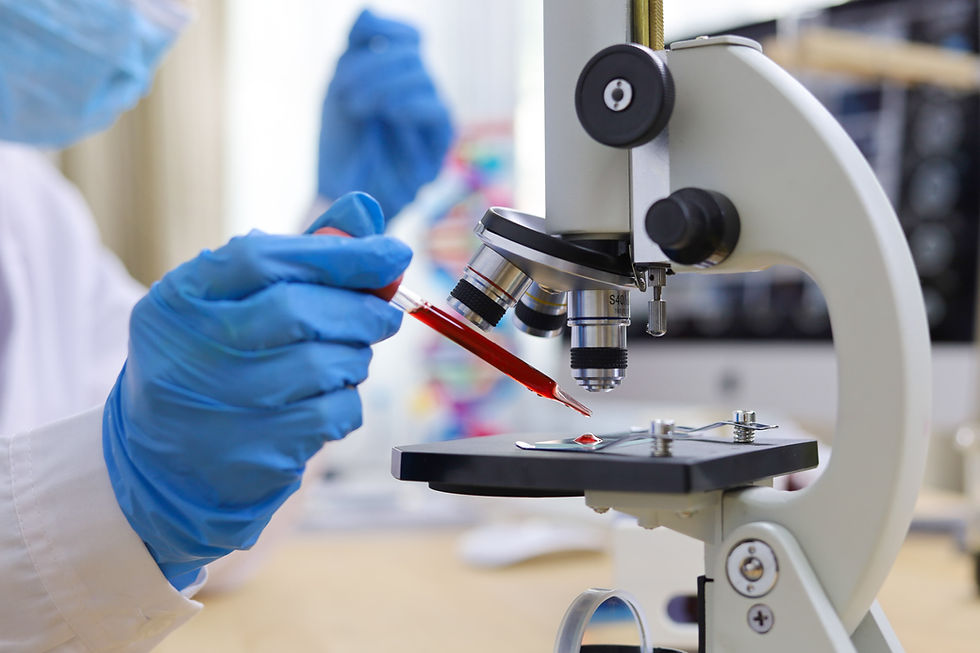
Candida is a yeast that naturally exists in the human body, but when it overgrows — often due to excess sugar, antibiotics, chronic stress, hormonal shifts, or ultra-processed foods — it can disrupt digestion, immune response, and mental health. Modern research increasingly confirms what many people sense intuitively: the gut and brain communicate constantly. Inflammation, microbial imbalance, and nutrient depletion can directly affect neurotransmitters involved in mood regulation.
Nutritional psychiatrist Dr. Felice Jacka explains:
“Diet quality is a major determinant of mental health outcomes, including depression and anxiety.”
Both men and women can experience depressive symptoms linked to gut imbalance, even when digestive symptoms seem mild. This is one reason depression is often treated solely as a psychological issue while biological contributors go unaddressed.
The Candida–Parasite–Cravings Cycle: A Deeper Look
One of the least discussed aspects of gut imbalance is the candida–parasite–cravings feedback loop. Yeast and certain parasites thrive in environments high in sugar and refined carbohydrates. When candida overgrows, it can make the body crave the very foods that allow it to survive. These cravings are not imagined — they are biochemical signals mediated through the gut–brain axis.

When people reduce sugar or refined foods and candida begins to die off, cravings can temporarily intensify. This is often misunderstood as a lack of willpower, when in reality it reflects microbial competition for fuel. Some researchers and clinicians note that yeast-heavy environments may also make it easier for certain parasites to persist, further reinforcing cravings and inflammation. Understanding this process helps individuals respond with patience and strategy rather than shame.
This cycle also affects mood. Blood sugar swings, inflammatory byproducts, and nutrient depletion can contribute to irritability, low mood, anxiety, and mental fatigue. Recognizing cravings as biological communication — not personal failure — is a key step toward restoring balance.
Acidophilus, Probiotics, and Traditional Dietary Wisdom
Yeast balance has long been supported by replenishing beneficial bacteria such as acidophilus. Yogurt is often recommended, but not all yogurt supports gut health. Flavored yogurts typically contain added sugars and stabilizers that feed yeast rather than counteract it. Traditional practices favored plain yogurt with fresh fruit added manually, preserving live cultures without excess sugar.
Probiotic supplements offer another option and are widely available. Older hygiene practices, such as douching, were once common but frequently overused — especially with plain water — which stripped away healthy bacteria. Across cultures, the lesson has remained consistent: health is restored through balance, not extremes.
Countries That Ban or Strictly Limit Artificial Food Ingredients
One reason gut imbalance has become so widespread is the modern food supply. Many ingredients allowed in U.S. foods are restricted or banned elsewhere due to concerns about inflammation, neurological effects, hormone disruption, and microbiome damage.
Countries with Stronger Food Additive Regulations
European Union (including Italy)
Restricts artificial dyes (e.g., Red 40, Yellow 5), limits industrial trans fats, and requires GMO labeling.
United Kingdom
Requires warning labels on certain dyes linked to behavioral effects.
Norway and Sweden
Early bans on synthetic food colorings.
Japan
Strong limits on preservatives and artificial additives.
Canada
Bans rBST growth hormone in dairy and restricts additives more tightly than the U.S.
These policies follow a precautionary principle: if an ingredient may harm long-term health, it is limited or removed.
Italy, Mexico, and Cultures Rich in Health and Longevity

Some of the healthiest populations in the world live in societies that are not dominated by ultra-processed foods or constant technological consumption.
Italy, particularly rural and Mediterranean regions, emphasizes vegetables, legumes, olive oil, fermented foods, and simple preparation. Sardinia — a Blue Zone — is known for men living unusually long lives with low rates of depression and chronic disease. Meals are slow, social, and ingredient-focused.
Mexico, before heavy industrialization of its food supply, relied on beans, corn, squash, herbs, fermented foods, and fresh produce. Traditional Mexican diets supported strong metabolic and gut health. Rising chronic disease closely tracks the introduction of sugary beverages and ultra-processed foods — not traditional cuisine.
These societies may not be rich in consumer technology, but they are rich in health, community, and longevity.
Organic and Low-Chemical Societies and Long Life
Countries that might not be aware of Candida but are self conscious about nutrition. These countries overseas host strong organic or traditional agricultural systems often show better population health outcomes:
Denmark – national support for organic farming
Austria and Switzerland – strong pesticide restrictions
Greece (Ikaria) – longevity tied to whole foods and herbs
Rural Italy and Mexico – minimal additives, traditional diets
Health is not driven by technological abundance, but by food quality, culture, and moderation.
Ancient Wisdom on Food, Responsibility, and Health
Long before microbiome science, ancient texts emphasized conscious living.
The Torah teaches:
“I have set before you life and death… therefore choose life.”— Deuteronomy 30:19
The Talmud states:
“One who eats excessively brings illness upon himself.”— Gittin 70a
These teachings align closely with modern research on inflammation, balance, and personal responsibility.
Candida and Conscious Nutrition
Mental Health, Stress, and Dietary Awareness are not often used in the same sentence when it comes to doctors. I have personally experienced doctors who try to tell me that candida is not yeast and that I should stop taking probiotics because they are bad for me.
Stress alters digestion, weakens immunity, and feeds microbial imbalance. The American Psychological Association recognizes the link between chronic stress, inflammation, and depression. Gut imbalance, including candida overgrowth, can intensify emotional symptoms in both men and women, even when digestive signs are subtle. Patience, empathy, and awareness are not just social virtues — they are biological necessities.
When we look honestly at rising rates of depression, fatigue, metabolic disease, and digestive disorders, it becomes clear these are not isolated personal failures. They are signals of imbalance in how modern societies eat, live, and educate. Gut health, candida balance, and mental resilience are not fringe topics; they are foundational aspects of human biology that have been neglected in favor of convenience and chemically engineered abundance.

Around the world, the longest-living populations eat simply, avoid excess chemicals, value fermentation and whole foods, and respect the connection between diet and mind. These societies may not dominate in consumer technology, but they excel in resilience — physical, emotional, and social.
Candida imbalance teaches us an essential truth: cravings, mood changes, and fatigue are not moral failures. They are biological signals asking for attention. When we respond with education rather than shame, balance becomes possible.
Conscious nutrition is not about fear or perfection. It begins with curiosity — reading labels, noticing patterns, and choosing better when we can. It involves compassion for ourselves and others, especially those navigating hormonal shifts, digestive challenges, or emotional strain. Stress, ridicule, and dismissal deepen imbalance; awareness restores it.
Health is not something we stumble into by accident. It is something we choose — daily, imperfectly, and consciously. And when we choose better food, better information, and better understanding, we are not just nourishing the gut. We are strengthening the mind, softening the heart, and choosing life in the most practical way possible.
Works Cited (MLA)
Jacka, Felice. Diet and Mental Health Research. Food & Mood Centre,https://foodandmoodcentre.com.au.
Why Are Some American Foods Banned in Europe? Scientific Origin,https://scientificorigin.com/why-are-some-american-foods-banned-in-europe.
Blue Zones: Secrets of Longevity. National Geographic,https://www.nationalgeographic.com/science/article/blue-zones-longevity.
“Food Chemical Safety.” U.S. Food & Drug Administration,https://www.fda.gov/food/food-ingredients-packaging/food-chemical-safety.
The Holy Torah, Deuteronomy 30:19.Talmud Bavli, Gittin 70a.


What a fantastic blog! I love that it's on various subjects. The owner Jae is an amazing and talented person. Check out the first blog.